
Written: 17/10/2021
Sometime this summer I came across an old episode of the Scottish Greens Podcast which was supposed to be on greener transport. It then quickly derailed for five-minute rant about peat. I listened to Laura Moodie talking about peat and how she was involved in a campaign to stop companies from getting extensions for peat extraction.
Peat being the carbon absorbing soil extracted from sites like Nutberry Moss between Annan and Dumfries and sold as compost. This site has now thankfully has been stopped in their plans for extending the extraction deadline by the now successful campaign.
By stopping these sites from getting a further five-year extension it is the equivalent of taking a thousand cars off the road. However, even with the new deadline unlikely to be pushed back again and plans for an extension halted, for the moment, it does not guarantee that they will not try again. Between now and 2030 they will still be extracting as much peat as possible for profit.
When listening to the podcast I completely forgot about the fact that it was originally an episode about green public transport. I could not believe what I was hearing. When Laura Moodie said: “The first deadline for stopping peat extraction was 2000 and the successive governments have kept moving it and moving it.” The fact it should have stopped when I was 1 year old and now it is due to stop when I am 30 weighs on my soul. It is a hard, cold feeling of disappointment. Peat had been a brief mention in history lesson for me previously.
Yet, I was now discovering that not only was peat extremely important to reversing the effects of climate change by absorbing carbon dioxide and boosting biodiversity. I discovered that this amazing gift to the planet was being exploited for profit. I was wondering to myself, who knew? I certainly did not know. Had the first deadline been kept in 2000 peatland restoration may have been well on its way to being complete by now.
I felt electrified and suddenly passionate about saving peat and annoyed it has gone on for so long. I wanted, no needed to know how I could help raise awareness and help consumers and activists push in the right direction to stop peat extraction as early as possible. Peat is most used for compost as it is good at retaining moisture, making it a profitable compost.
However, like most things that get taken out of the ground for profit. It is not good for the planet. Peatlands not only boost Scotland’s biodiversity, but they are important carbon sinks, meaning that left in their natural state they have been quietly absorbing carbon dioxide for thousands of years. Yet, when they are drained and extracted, we are releasing a lot of carbon dioxide back into the atmosphere. Worse yet our beautiful bogs are not as easy to restore as woodlands.
They can take a long time to be re-wetted and restored. A report by The Ferret, in April has shown that, The Scottish Government reported that 6000 hectares of degraded peatland had been restored in both 2018-19 and 2019-20. This is well below the latest target set by ministers of restoring 20,000 hectares a year.
If the UK government, Scottish Government, and our Local councils want us to believe they are all taking the climate crisis seriously and meeting their climate goals they ought to take the reins on phasing out peat and quickly.
I interviewed Laura Moodie for a more in-depth look into alternatives to peat-based compost and the role of consumers and activists. From the interview I have learned some interesting things. Including the fact that the Scottish government have been investing a lot of money in peatland restoration for years.
£250 million so far to be exact. Which makes it even more puzzling to me. Why would you allow extensions to peat extraction sites to go on and on while trying to restore them at the same time?
It seems bizarre to say the least. However, despite how long it has taken, people and horticulturists especially are beginning to wake up to a peat-free way of thinking which makes gives me hope. According to Ms. Moodie, Even big retailers like Dobbie’s are going to stop selling peat as of next year.
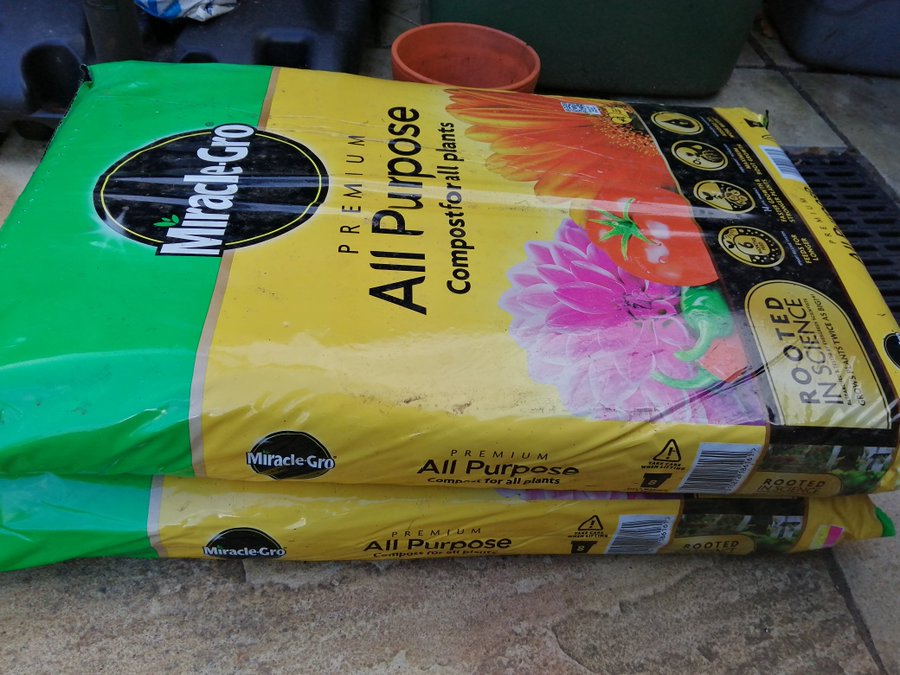
Miracle Grow too, are making plans to start selling all peat-free products by 2024, in line with government guidance. On the topic of switching to alternatives suggested that one successful alternative has been found in wool she said: “There is a company in the Yorkshire Dales that makes peat
free compost from Sheep fleeces and in Dumfries and Galloway we have a huge sheep industry, sheep farming.
It would not be hard to switch over production from extracting all of this stuff from the ground to packaging up composted sheep fleeces.” This seems like a perfect solution to me. We have a lot of sheep, a lot of wool without demand and farmers in need of the money to keep going.
Saving our peatlands remains a climate action priority. While it is also good to hear that there is genuine optimism for lasting change in the future. Alternatives to peat are going to be readily available for people to buy in shops as soon as next year.
However, with that optimism we must keep pressure on our local councils and governments. Amongst our demands for a greener public transport system, more energy efficient ways to heat our homes etc. We must demand that peat is kept in the ground. We as consumers can do our jobs of seeking out alternatives for compost. However, our main job is to keep pressure on our governments, local and national to now bring the 2030 deadline forward and take responsibility to find a reasonable transition to a world where peat free compost is the norm.
 Chloe McDermott