

Written: 06/11/22
Following Scotland’s example, Brussels has put a pilot program into place to help schools meet the needs of their pupils who may need help accessing period products.
Research shows that one in eight girls and women between 12 and 25 do not have enough money to buy period products, a figure that increases to 45% among those living in poverty.
The program was announced two weeks ago, and dispensaries have already been installed. In one school the Principal and his pupils have been proud to see this step towards eliminating the problem.
Laurent Neyens is the Principal at Hoofdstedelijk Instituut Anneessens Funck, a high school selected due to high number of students from lower socio-economic backgrounds. It is estimated around 90% of the students are from a lower socio-economic background. He said: “This neighbourhood is known in Brussels and outside of Brussels as impoverished neighbourhood. Many of our students live in these conditions which makes it hard to access menstrual products.”
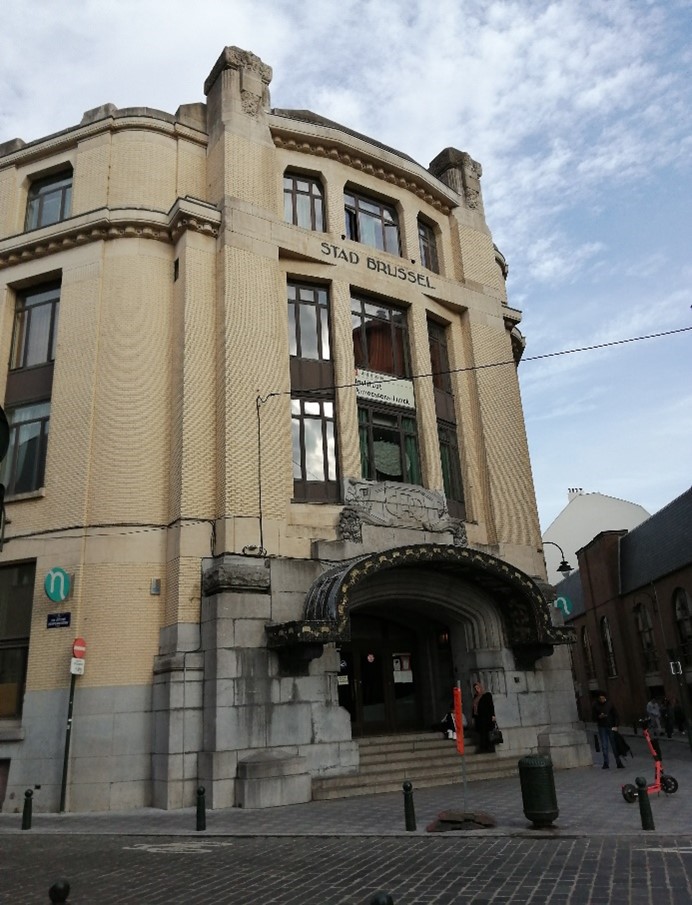
This school believes this will be the first step to solving an issue that can prevent young women from participating in school. Sylvia Trypuc, 17, Sixth Year student said she knew girls that would be too shy to ask for products or help when they needed them now these dispensaries will help them. She said: “Not everyone can afford it so they can miss school. Thanks to this project they can go to school with no problem. Some girls are shy to ask for things. This way you can take it without asking.”
As for the success of the program the teachers and pupils have responded well to the introduction to the dispensaries, Mr. Neyens said: “At first glance this initiative has been well received by pupils and teachers. I hope and I think it is going to stay.”
It is the hope of not just the schools but the city too that projects like this are well utilised. If successful will continue to spread throughout the city to other schools which will mean the city will continue to grow the project.
Along with the dispensaries the schools will take it as an opportunity to incorporate lessons on periods making it less taboo. Miss Trypuc said: “I think it is necessary to have a lesson or two with not only girls but with boys too to teach them ‘what is a period’ and what it is about because I know people who don’t know.”
Expanding on this subject, her principal added: “Then it can be talked about openly even with the boys because it is visible. It also something that can be talked about in certain lessons. It can be a topic in some of the lessons in Dutch as well. Why not use these dispensers as an example of good practice.”
The program is important at filling a basic hygiene necessity that many girls in the city do not have due to poverty. With inflation and energy prices on the rise it seems that this program has come at the right time for many young people who may be relying on free access to these products.
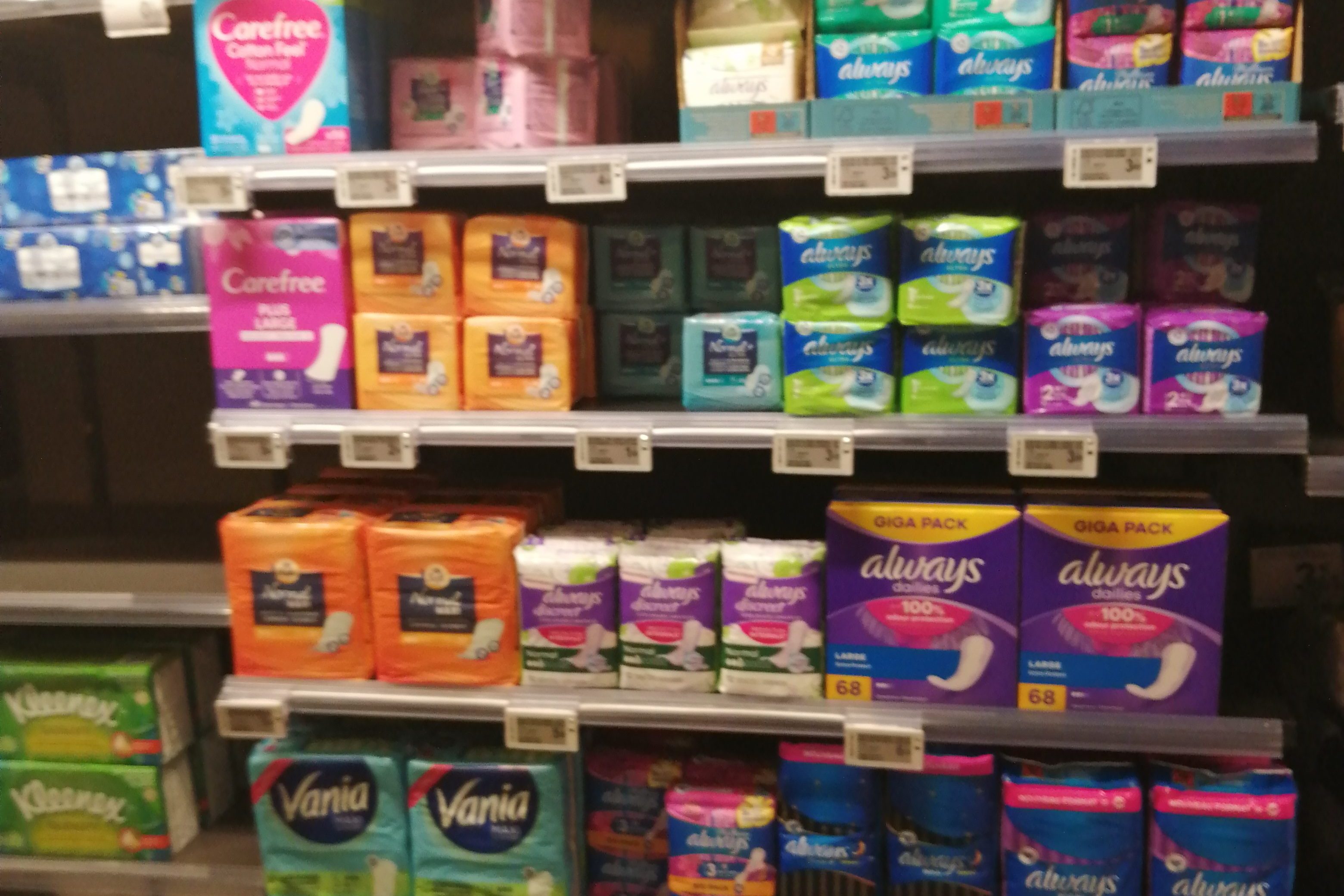
Caritas is a Non-Profit organisation researching poverty in Belgium. In the case of period poverty and its effect on education it has found that 8% girls miss out school when they have their period. Areas like Matonge – a largely African neighbourhood – struggle with poverty in general which will lead to a rise in period poverty.
Sander Vanmaercke, 24, policy staff member at Caritas explained: “From research we know that there are a lot of girls sometimes don’t go to school because they are experiencing their period, and they cannot buy period products.”
If these girls do then go to school, they may have to improvise by using toilet paper for example. This means they are faced with a choice to go to school and worry about leaking or miss school entirely for however long their cycle lasts.
Over a lifetime it is estimated that the average woman will spend around 10,000 euros on menstrual products and around 12 euro a month. Mr Vanmaercke said there are many worries for families in the city as inflation and energy prices skyrocket. He said: “Food is priority, housing is a priority and gas is a priority. But those prices are skyrocketing so people are using almost all their money for that. We are afraid that indeed that a lot more people will be lacking hygienical products and menstrual products.”
This pilot program could prove vital in a time where young women in education could start missing out on these products as household budgets tighten in response to the record amounts of inflation across Europe.
 Chloe McDermott
Leave a comment